

Our Journey Toward Circularity
Origins: Colombian Culture and Material Experimentation
HISTORY
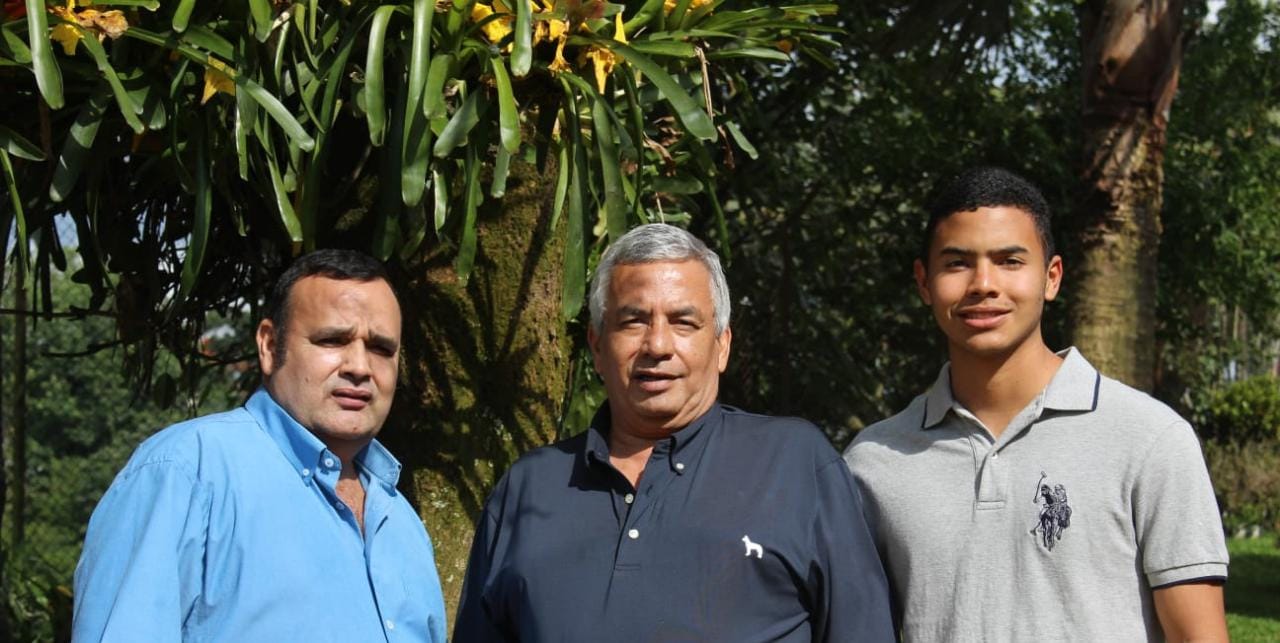
BIOMA’s story begins in Colombia, deeply intertwined with the country’s coffee culture and textile craftsmanship traditions. In a context where coffee production and artisanal practices shape daily life, the Silva García brothers — together with one of their sons — began exploring innovative ways to transform waste into valuable resources.
Growing up surrounded by the aroma of fresh coffee beans and the textures of woven textiles, they were inspired to honor their heritage while responding to growing environmental challenges in their communities. What started as curiosity soon became structured experimentation.
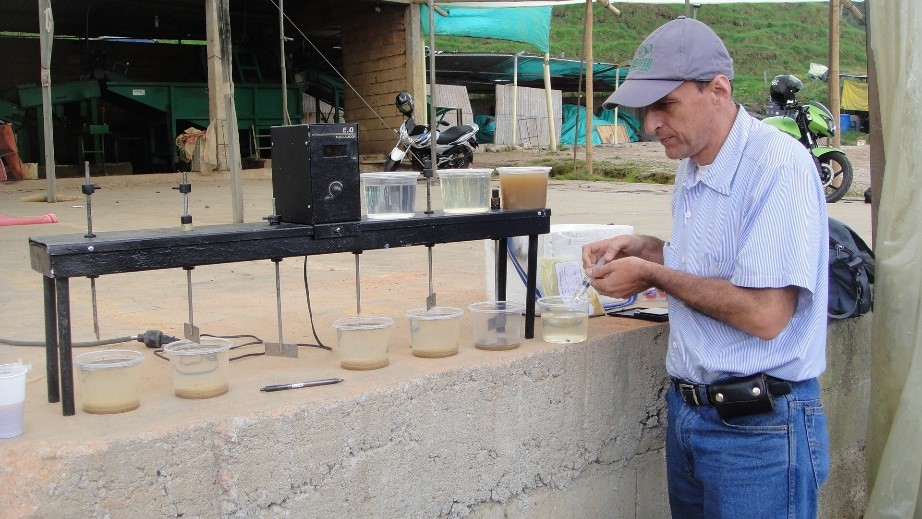
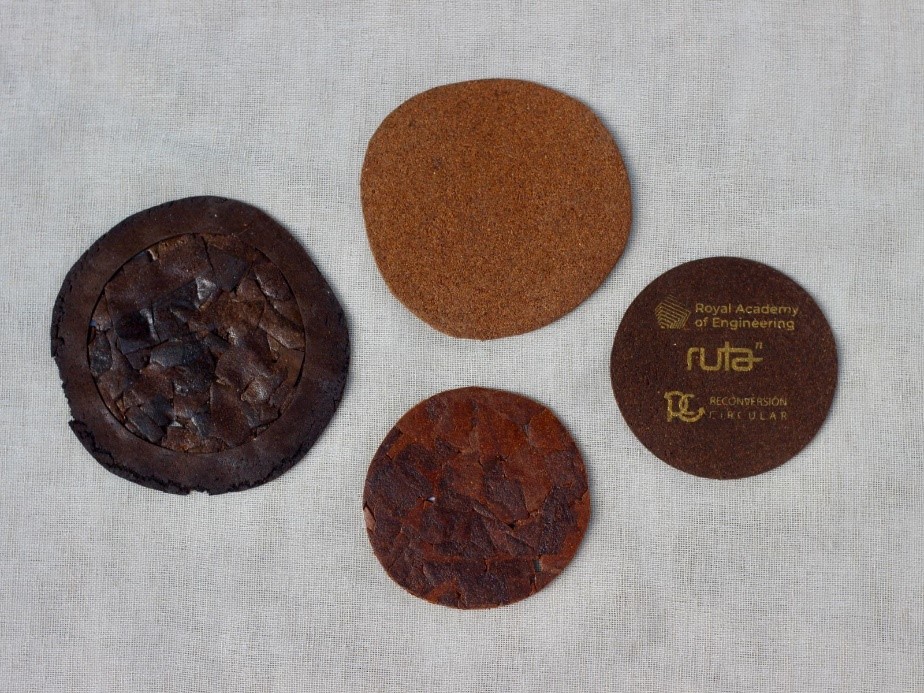
The family business began modestly, with early material trials conducted at home. Driven by a strong commitment to sustainability, they dedicated years to independent research, refining domestic processes for transforming organic waste — particularly spent coffee grounds and cellulose fibers — into new materials such as bio-based textiles, vegetable leathers, and rigid composites.
Through hands-on experimentation and persistence, they developed a practical understanding of how organic residues could become structurally functional materials, combining environmental responsibility with Colombia’s artisanal legacy.
A Commitment Beyond the Local Context
Although rooted in Colombian culture, the family’s vision extended far beyond their immediate surroundings. Their ambition was not simply to produce sustainable materials, but to export the knowledge and technical expertise they had developed.
Rather than reinforcing historical extractive models — where raw materials leave South America and value is created elsewhere — their intention was to demonstrate that innovation and technical capacity could emerge from within Colombia itself.
BIOMA embodies this approach: merging traditional family values with independent research and material development. The objective was to show that circular material solutions could flow from South America to Europe and beyond, contributing to a more balanced and knowledge-driven model of production.
From Colombia to Barcelona: Structuring the Next Phase
A decisive step in the evolution of the project was the relocation of operations to Barcelona. This transition marked a significant structural development. Colombian technical expertise was integrated with new academic and entrepreneurial perspectives, through collaboration with Porfessor Dario Cottafava, a transdisciplinary researcher and social entrepreneur, currently a lecturer in the Business Department at the Autonomous University of Barcelona. This strengthens the initiative’s scientific and strategic framework and Barcelona became the environment where artisanal experimentation evolved into semi-industrial production of materials.
Here, original protocols developed in Colombia are being optimized for European scalability, regulatory alignment, and collaboration with designers and research partners.
From Family Research to Material Platform
Today, BIOMA operates in an early semi-industrial phase in Barcelona. The focus is on consolidating production processes, stabilizing material quality, and preparing for broader adoption within the European sustainable design ecosystem.
While the origins of the project remain grounded in Colombian craftsmanship and experimentation, the current stage emphasizes structured development, scientific validation, and responsible growth.
BIOMA’s journey reflects a continuous evolution: from family-led experimentation to a material platform designed for collaboration, validation, and circular innovation at scale.